
Public Sector ManagementPKM213
Mastering AI Tools in Contract Management Program
Across Africa, governments face increasing pressure to improve procurement and contracts efficiency, strengthen compliance, and ensure value for money in public spending. However, traditional contract management processes remain largely manual, fragmented, and reactive, often resulting in inefficiencies, delayed service delivery, and heightened risks of non-compliance and financial loss.
Overview
This programme introduces a transformative approach, demonstrating how AI technologies — such as Natural Language Processing, machine learning, and predictive analytics — can be embedded across the contract life-cycle to automate drafting, enhance contract review, and enable real-time monitoring of obligations and performance. Beyond technology adoption, the programme places strong emphasis on the practical realities and governance requirements of the African public sector. It addresses key challenges such as limited infrastructure, regulatory compliance (including
data protection laws like POPIA), and the need for ethical and transparent AI implementation.
Participants will gain both strategic insight and practical tools to transition from reactive contract administration to proactive, data-driven contract governance. By the end of the programme, institutions will be better positioned to improve transparency, reduce procurement risks, optimise supplier performance, and align contract management practices with broader digital transformation and public financial management objectives.
This intensive programme equips participants with practical and strategic knowledge on how Artificial Intelligence (AI) is transforming contract life- cycle management (CLM) in the public sector.
The course bridges:
- Legal, procurement and contract frameworks
- AI technologies (NLP, machine learning, automation)
- Public sector governance, compliance, and ethics AI enables governments to:
- Automate contract creation and review
- Improve compliance monitoring and risk detection
- Enhance procurement outcomes and supplier negotiations
Programme objectives
By the end of the programme, participants should be able to:
- 01Understand AI fundamentals in contract management
- 02Apply AI tools in contract drafting, review, and monitoring contracts
- 03Identify risks, compliance gaps, and inefficiencies using AI
- 04Integrate AI into public procurement and contract governance
- 05Develop AI-enabled contract management frameworks
- 06Ensure ethical, legal, and regulatory compliance (e.g., POPIA, GDPR)
- 07Design AI adoption roadmaps for public institutions
Who should attend
- Procurement & Supply Chain Officers and Managers
- Contract Managers & Legal Advisors
- Public Finance & Treasury Officials
- Internal Auditors & Compliance Officers
- ICT / Digital Transformation Teams
- Policy Makers & Regulators
- Project & Programme Managers
Programme outline
14 modules · 61 topics
01Introduction to AI & Digital Transformation
- What is AI? (ML, NLP, Generative AI)
- Evolution of AI in legal and contract management
- AI vs traditional contract management
02Contract Lifecycle Management (CLM)
- Contract lifecycle stages:
- Initiation→ Drafting→ Negotiation→ Execution → Monitoring→Renewal
- Pain points in public sector contracting
03AI Use Cases in Contracting
- Automated contract drafting
- Clause extraction & classification
- Risk scoring & compliance checks
- Predictive analytics in procurement
- AI tools can automate repetitive tasks like data extraction and compliance monitoring, freeing staff for strategic work
04AI-Assisted Contract Drafting
- Template automation
- Clause libraries & smart contracts
- Generative AI for contract generation
05AI in Contract Review & Risk Analysis
- NLP for clause extraction
- Identifying:
- Payment risks
- Liability issues
- Termination clauses
- Compliance validation
- AI can scan legal documents to identify cost-saving opportunities and compliance gaps
06AI in Negotiation & Supplier Management
- AI negotiation bots
- Supplier performance analytics
- Predictive negotiation outcomes
07AI in Public Procurement
- AI-driven sourcing and evaluation
- Smart RFPs and bid evaluation
- Spend analytics & supplier optimization
- Governments use AI to improve decision-making, resource allocation, and service delivery
08Legal, Ethical & Regulatory Considerations
- Data privacy (POPIA, GDPR)
- Algorithmic bias and fairness
- Transparency & explainability
- Ethical AI frameworks
09AI Governance Frameworks
- AI policy design
- Risk management frameworks
- Institutional readiness assessment
- African countries require context-specific AI governance approaches due to unique resource and policy challenges
10AI Tools & Technologies for Contract Management
- Contract Lifecycle Management (CLM) systems
- AI-powered legal tech tools
- Integration with ERP systems (e.g., SAP, ServiceNow)
11AI Implementation Strategy
- Readiness assessment:
- Data quality
- Infrastructure
- Skills
- Vendor selection & RFP development
- Pilot testing and scaling
- Public sector AI adoption requires clear objectives, readiness assessment, and phased implementation
12Change Management & Capacity Building
- Skills development for civil servants
- Training and adoption strategies
- Managing resistance to AI
13Advanced AI in Contract Management
- Predictive contract performance
- AI in dispute resolution
- Blockchain + smart contracts
14Monitoring & Performance Management
- KPIs for AI-enabled contracts
- Contract compliance dashboards
- Continuous improvement models
Case Study 1: AI Procurement Optimization (South Africa)
- Use of AI in evaluating suppliers and contracts
- Improved compliance with procurement regulations
- Reduced procurement cycle time
- Learning: AI improves transparency and efficiency in public procurement
Case Study 2: AI Capacity Building – Ghana (Africa AI Accelerator)
- AI used to build workforce skills and innovation ecosystems
- Public-private collaboration model
Training methodology
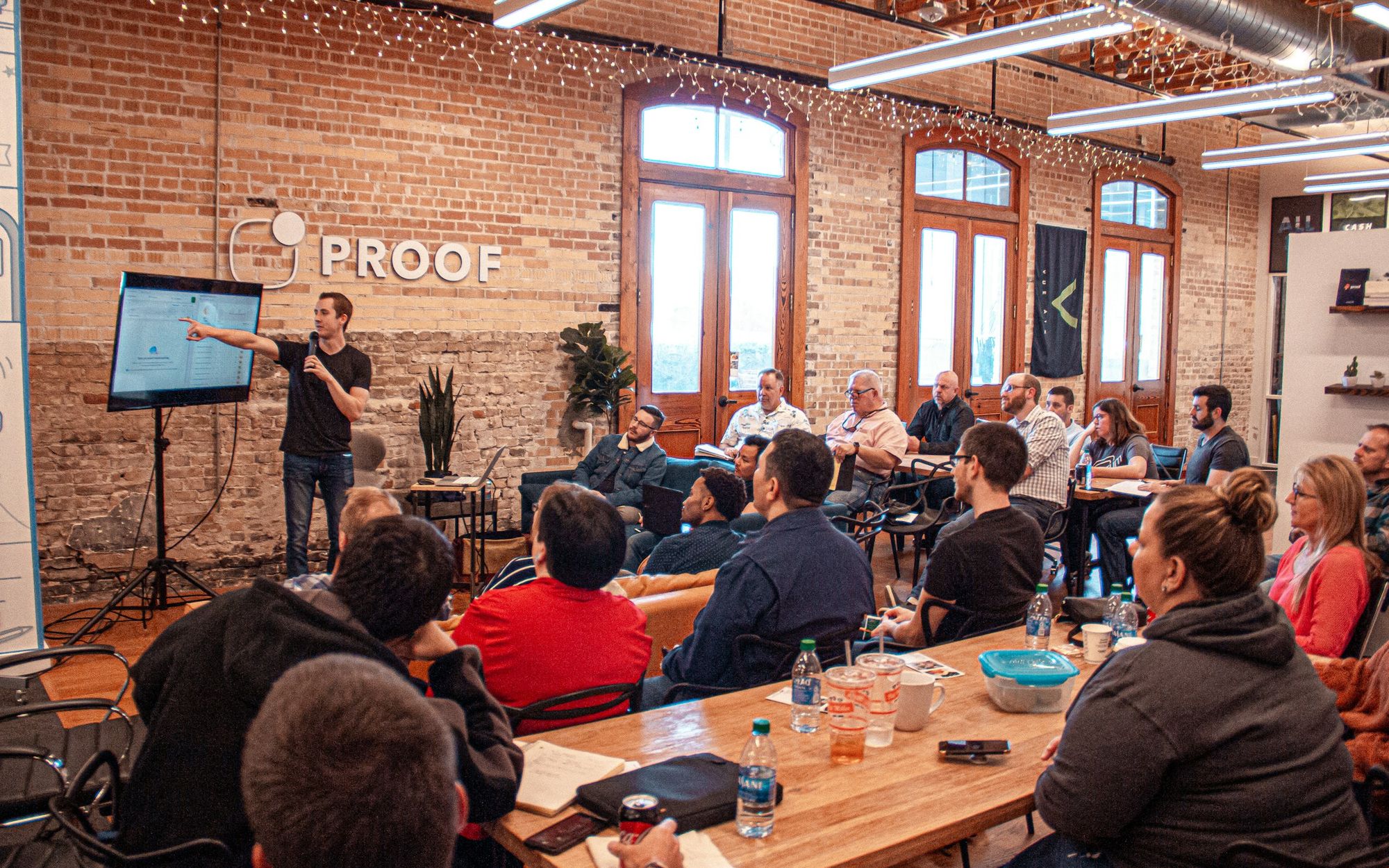
The course uses a practical and interactive approach including:
- Instructor-led presentations
- Public sector case studies
- Scenario simulations
- Real-life African scenarios
- Peer learning and presentations
- Live demos of AI tools
- Group exercises (contract analysis)
- Case study discussions
- Practical assignments (drafting & risk analysis)
Upcoming dates
Cape Town
Edenvale, Johannesburg
Pretoria
In-house training
Run this programme for your team
We can deliver PKM213 at your premises, anywhere in Africa, with content aligned to your organisation's internal policies.
Related courses
All Public Sector Management programmesQuestions about our courses
All frequently asked questionsHow do I register for a course?
Choose a programme and date, then send an enquiry from the course page — the course and dates are filled in for you. Our team replies with the programme information and registration forms. You can also contact us on WhatsApp at +27 73 708 3507.
Do you offer in-house training at our premises?
Yes. Our group booking option allows us to bring our expert facilitators to your location anywhere in Africa. We can also customise the course content to align with your organisation’s internal policies.
How does pricing work for group bookings?
Pricing depends on your organisation's requirements, so we don't publish it. Please contact us with your programme, group size and preferred dates, and we'll get back to you with the details.
What payment methods do you accept?
We accept electronic funds transfers (EFT), direct bank deposits, and corporate or government purchase orders.
Do online delegates receive certificates?
Yes. Upon successful completion of a virtual course or programme, delegates receive a digital certificate of completion equivalent to our classroom-based training.
Ready to enrol your team?
Enquire about PKM213 and we'll send programme and registration information.